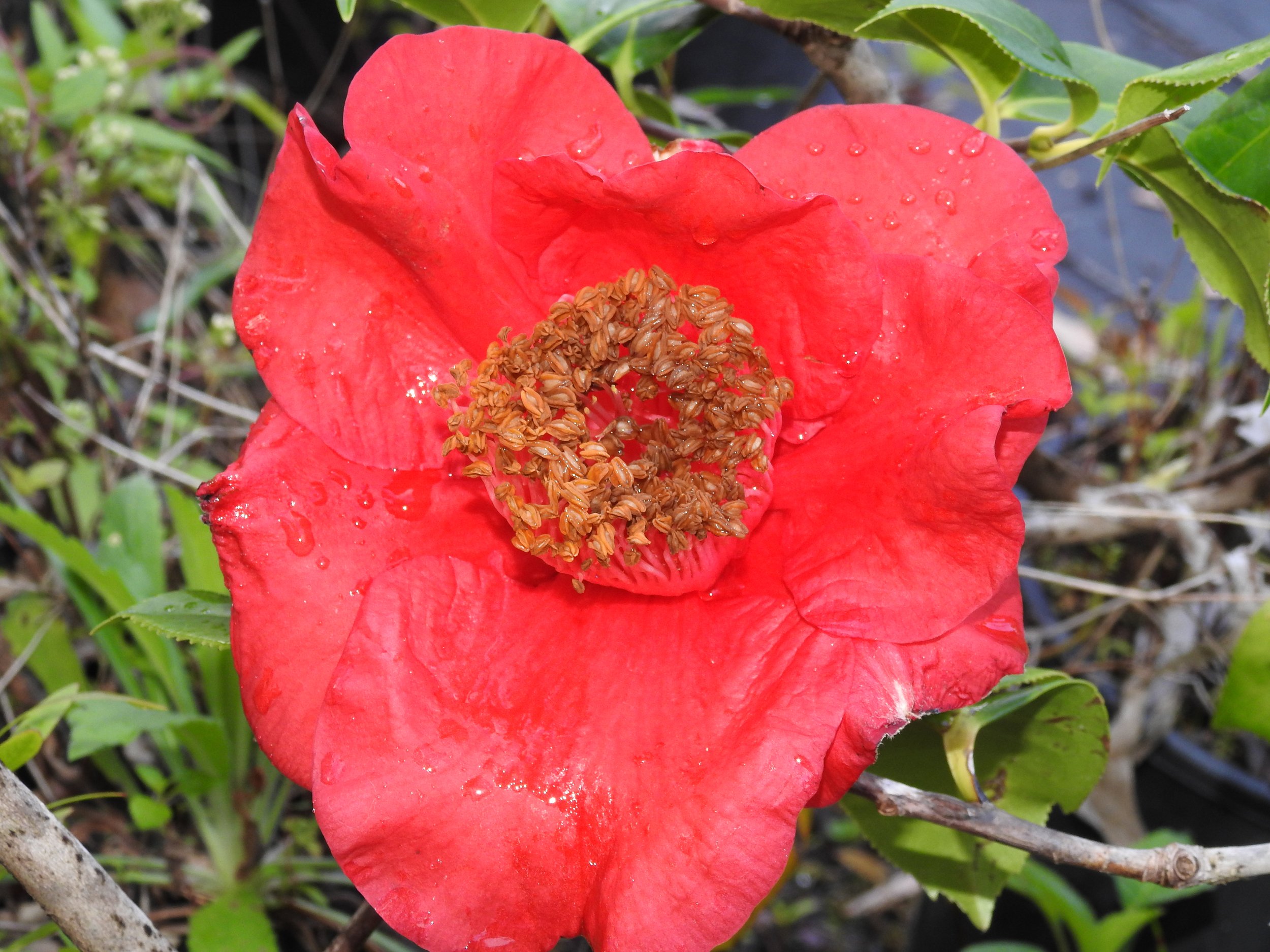
 Image 1 of 4
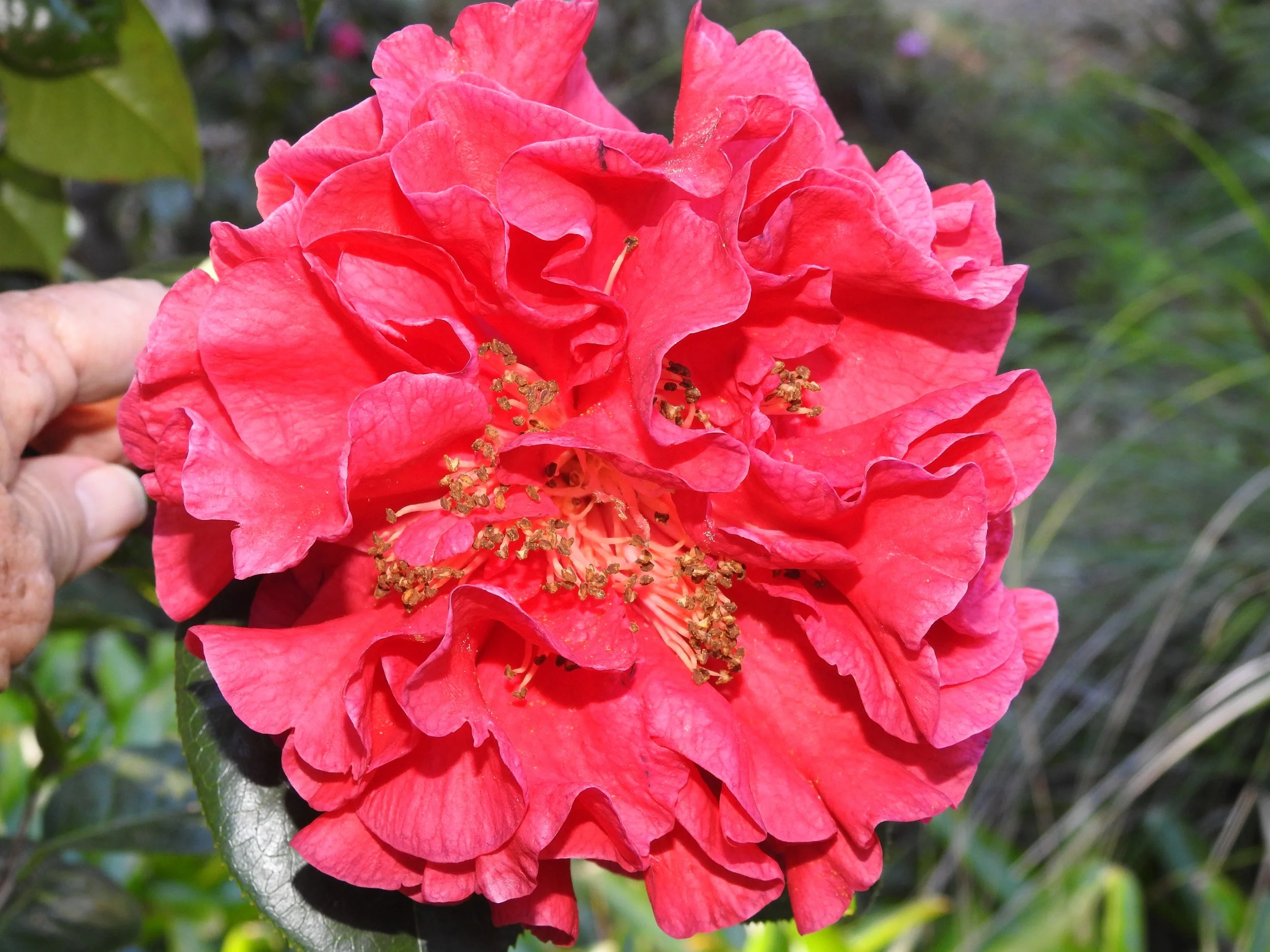
 Image 2 of 4
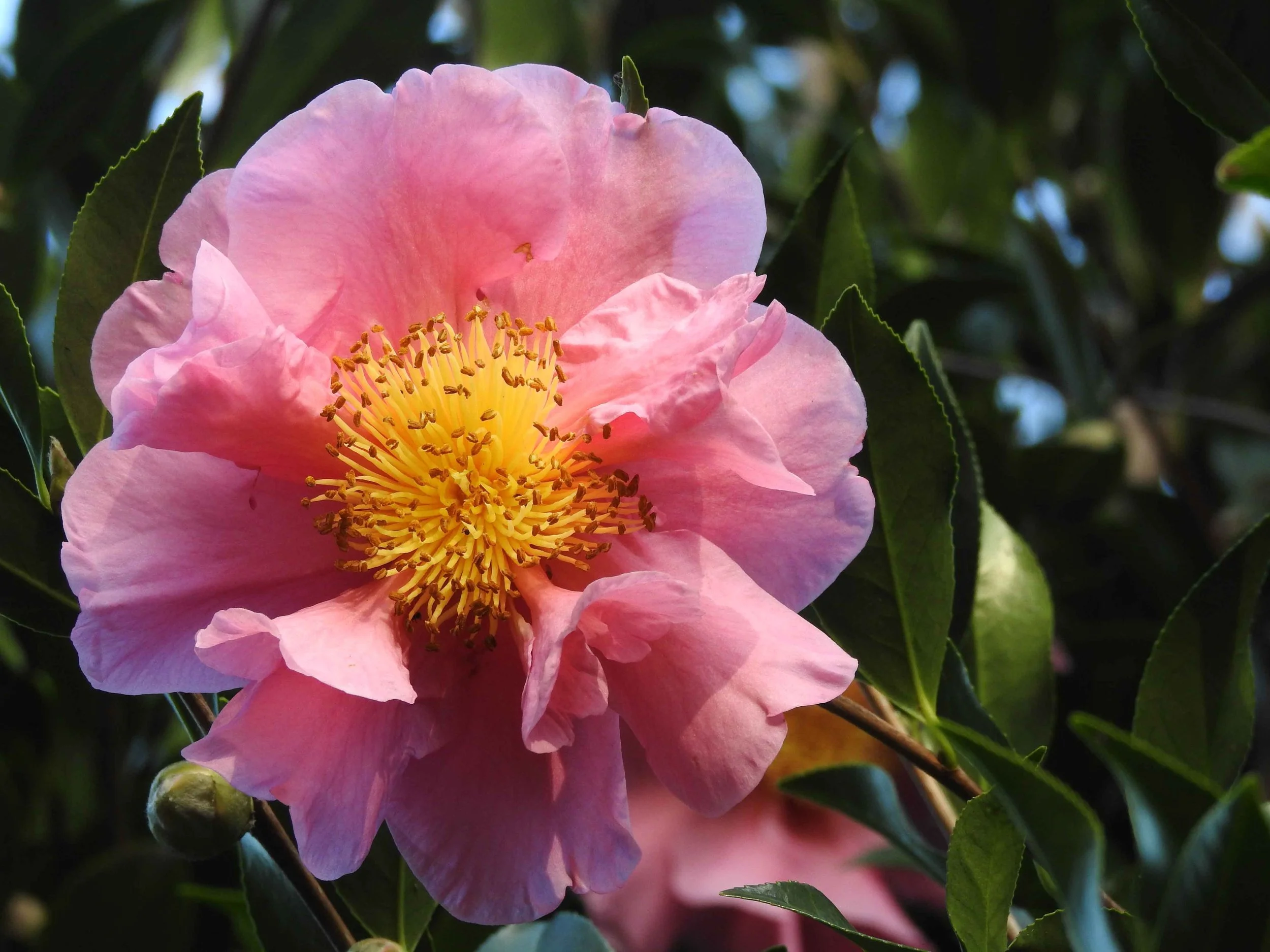
 Image 3 of 4
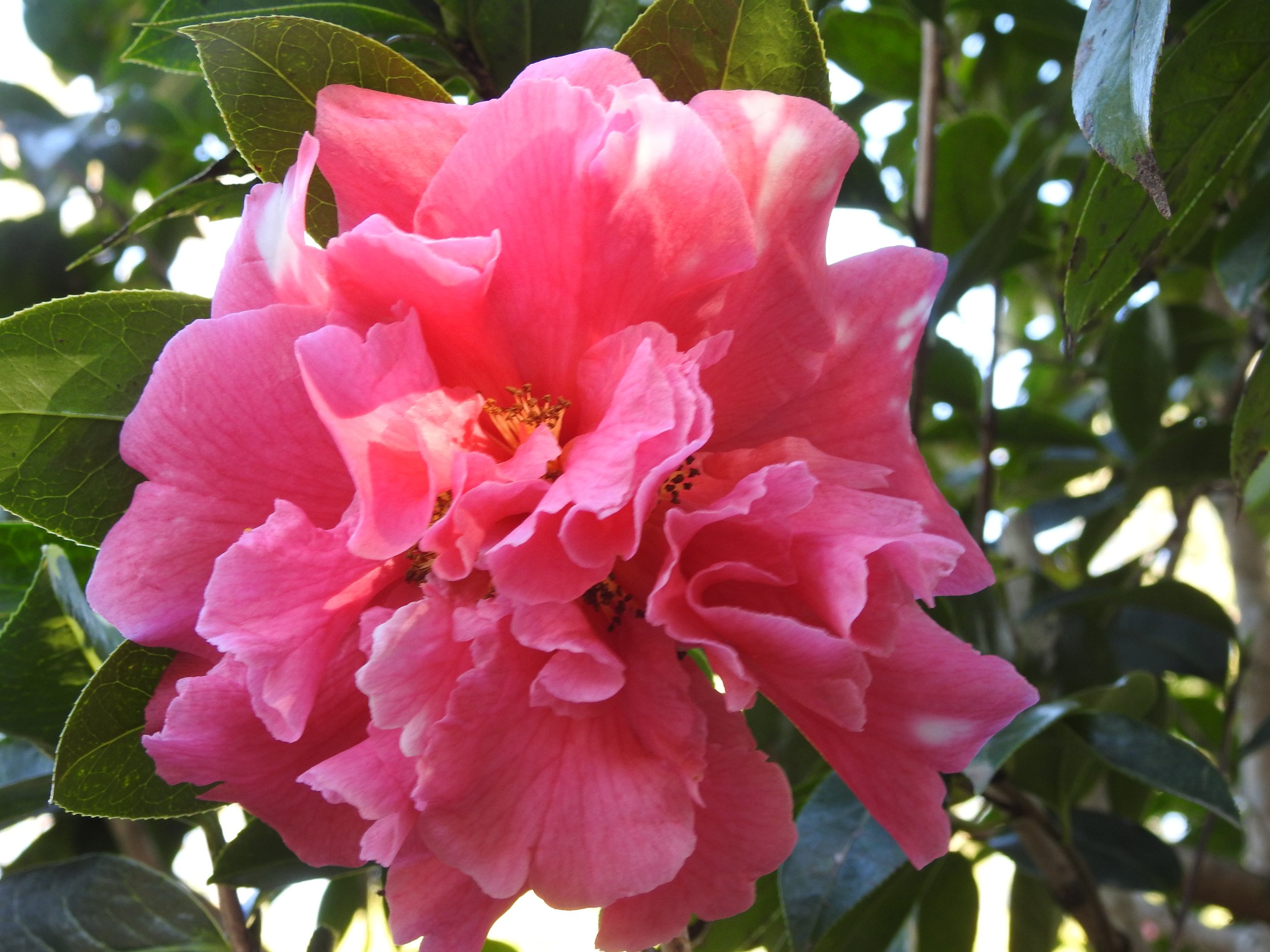
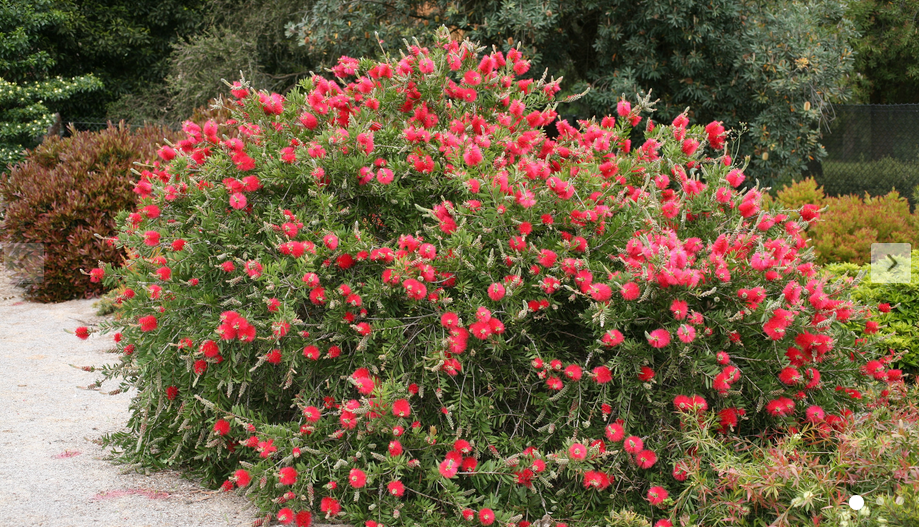 Image 4 of 4
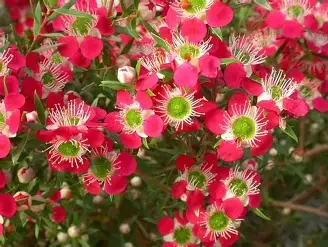
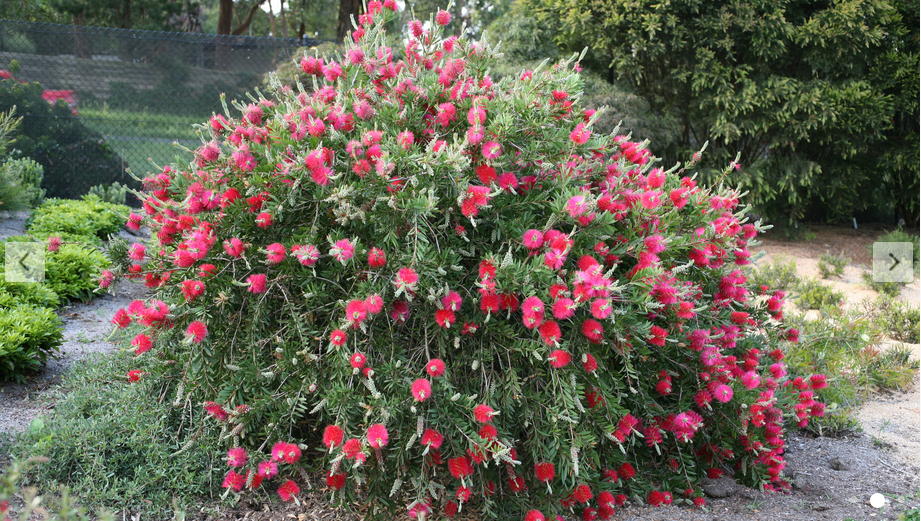
Pink Neon is a selected form and varies from the other varieties known as Burgundy, Endeavour, Mauve Mist, Reeves Pink and White Anzac. Pink Neon is a selected form of Callistemon citrinus, which is now reclassified as Melaleuca citrina. Pink Neon prefers well-drained soils, full sun and is drought tolerant. Pink Neon differs from the other commonly named Callistemons such as scarlet bottlebrush, lemon bottlebrush or red bottlebrush Bottlebrush Tree, Crimson Bottlebrush, Lemon Bottlebrush, Lemon Scented Bottlebrush which are all naturally found in Eastern and South Eastern Australia. Pink Neon is a prolific flowering form with dense habit and is a great feature plant attracting birds and bees.
Grows well in both shade and full sun. It is adaptable to most well drained soils and is a versatile plant. Once this plant is established it will tolerate dry and light frost conditions, but over long periods of dry will require watering. Fertiliser Recommendations This plant requires little maintenance and it is best to initially feed with a slow release low phosphorus fertiliser to help first establish the plant. It is beneficial to follow up with the occasional reapplication of fertiliser and apply as required. Mulching around the base of the plant will help retain moisture and suppress weeds.
Pink Neon is a selected form and varies from the other varieties known as Burgundy, Endeavour, Mauve Mist, Reeves Pink and White Anzac. Pink Neon is a selected form of Callistemon citrinus, which is now reclassified as Melaleuca citrina. Pink Neon prefers well-drained soils, full sun and is drought tolerant. Pink Neon differs from the other commonly named Callistemons such as scarlet bottlebrush, lemon bottlebrush or red bottlebrush Bottlebrush Tree, Crimson Bottlebrush, Lemon Bottlebrush, Lemon Scented Bottlebrush which are all naturally found in Eastern and South Eastern Australia. Pink Neon is a prolific flowering form with dense habit and is a great feature plant attracting birds and bees.
Grows well in both shade and full sun. It is adaptable to most well drained soils and is a versatile plant. Once this plant is established it will tolerate dry and light frost conditions, but over long periods of dry will require watering. Fertiliser Recommendations This plant requires little maintenance and it is best to initially feed with a slow release low phosphorus fertiliser to help first establish the plant. It is beneficial to follow up with the occasional reapplication of fertiliser and apply as required. Mulching around the base of the plant will help retain moisture and suppress weeds.