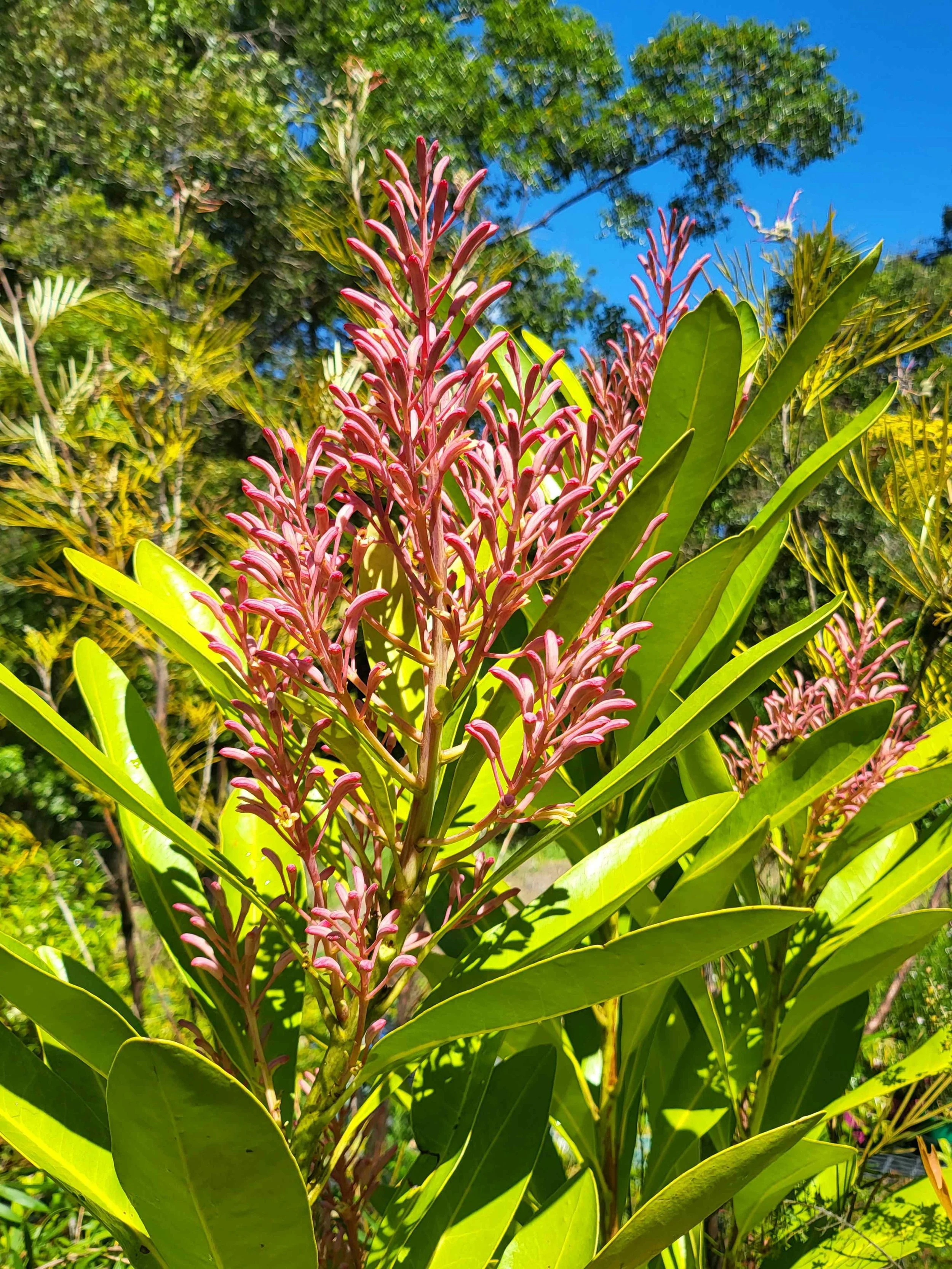
 Image 1 of 4
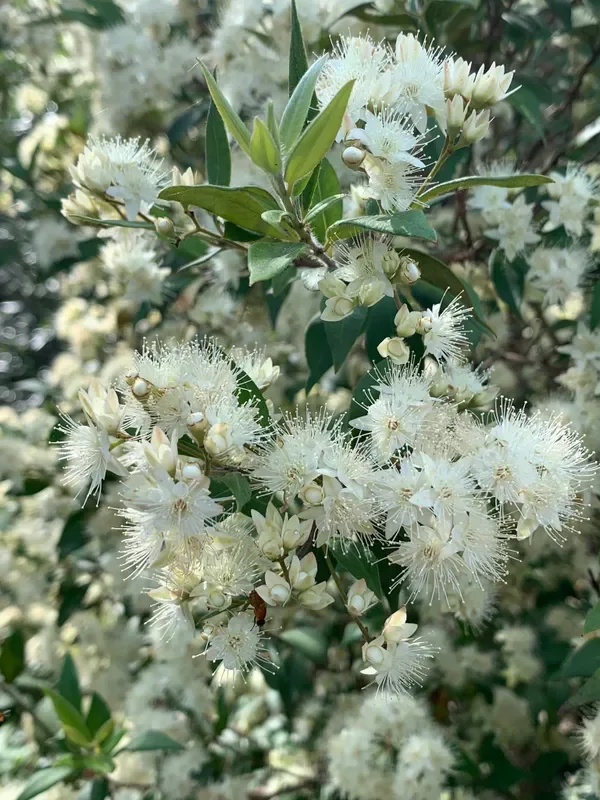
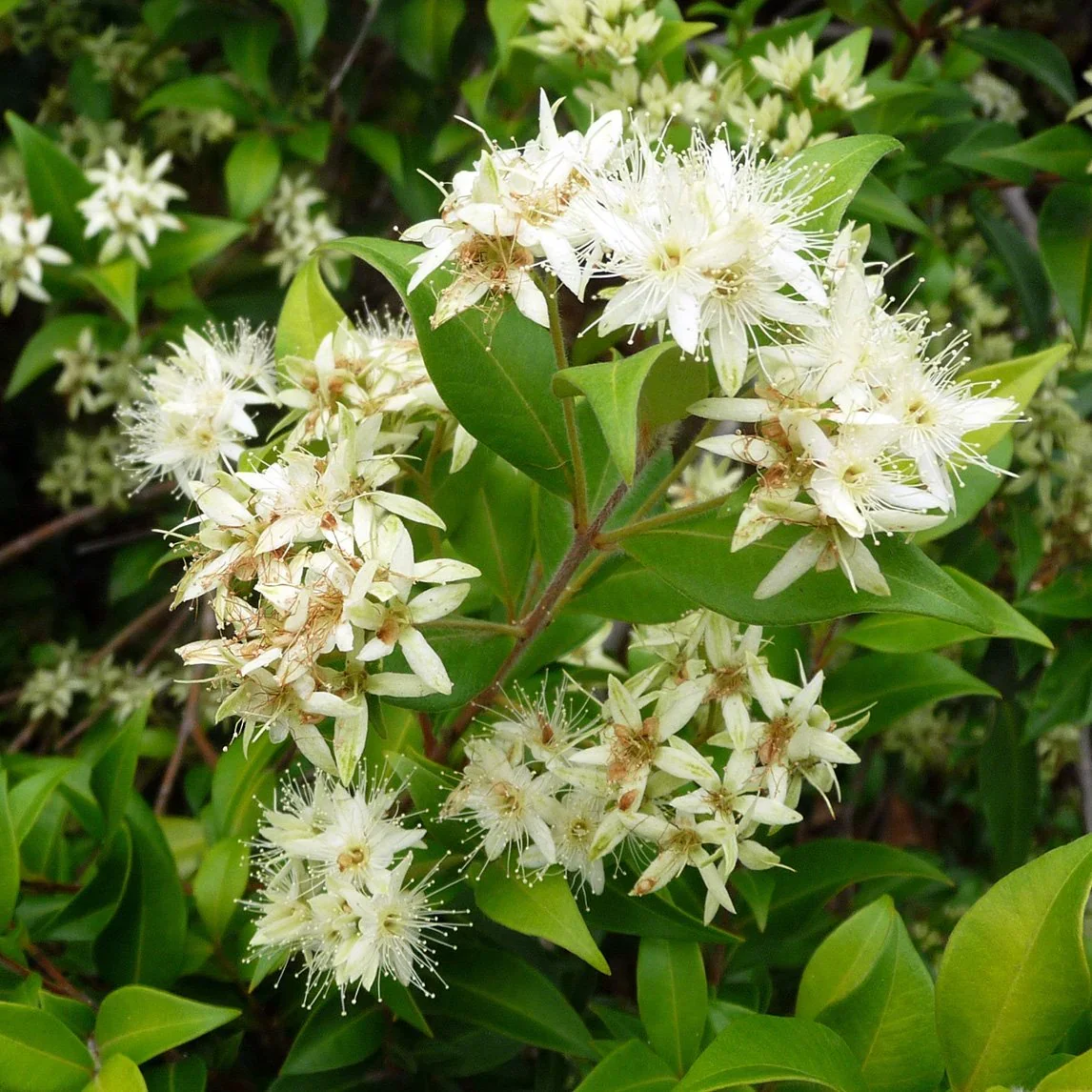 Image 2 of 4
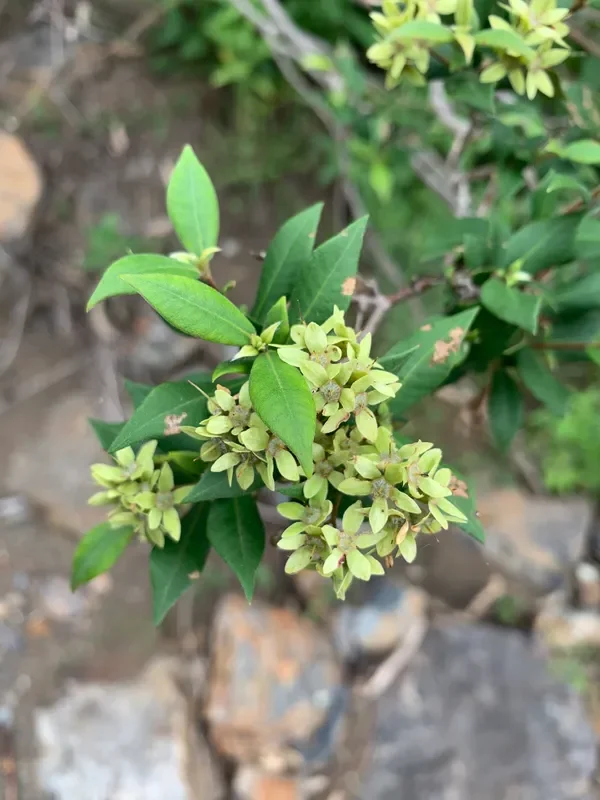 Image 3 of 4
 Image 4 of 4
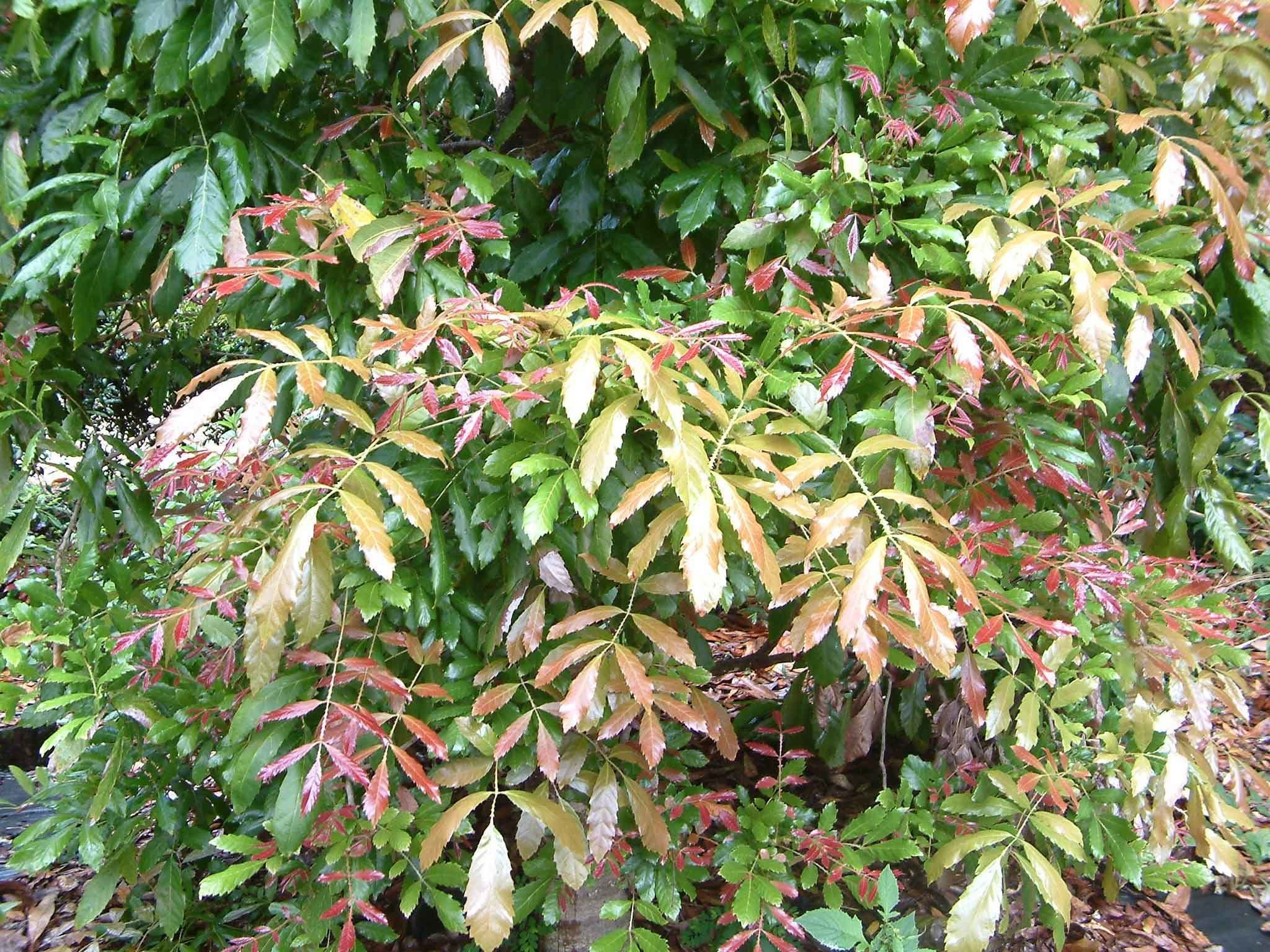
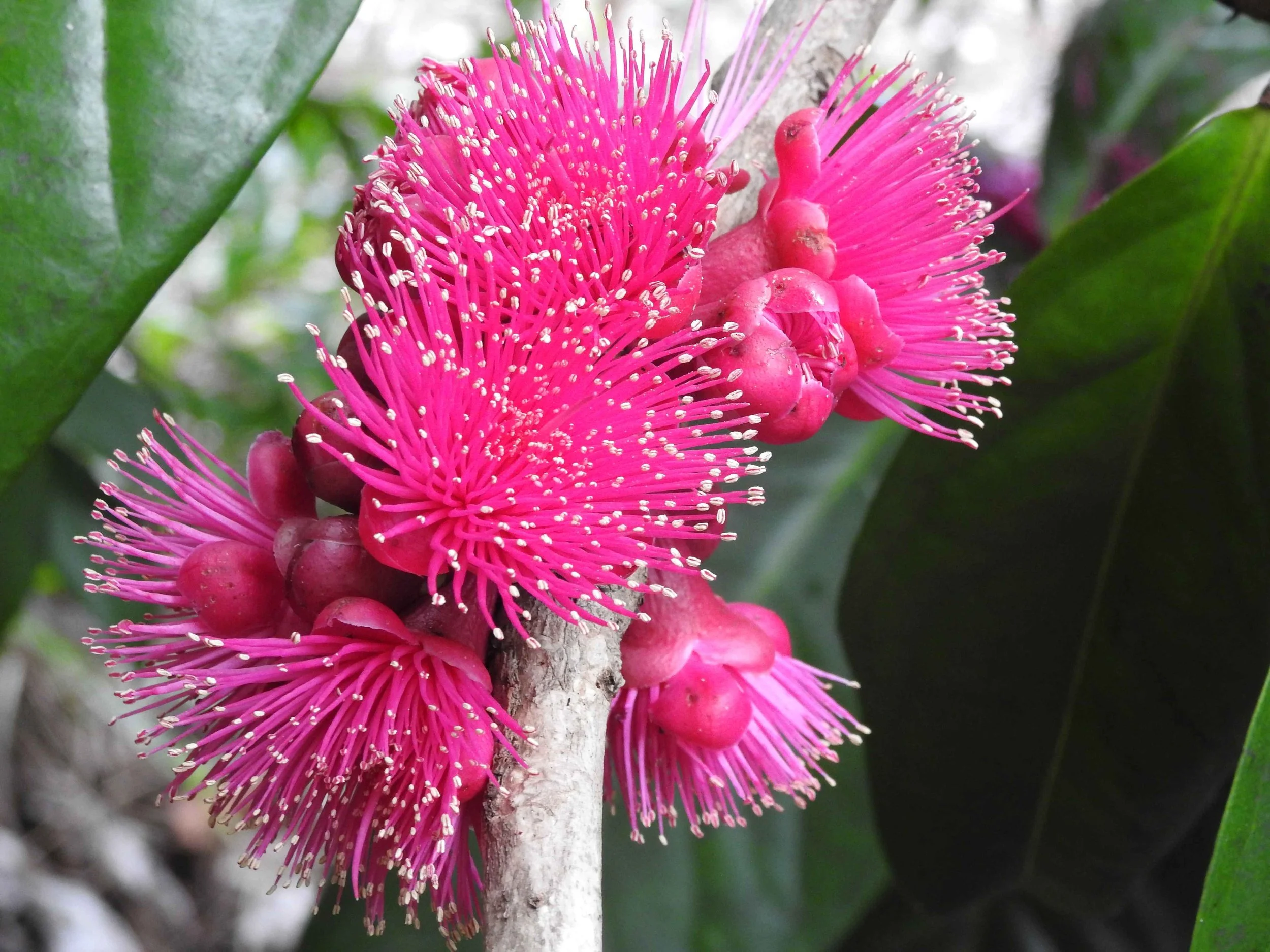
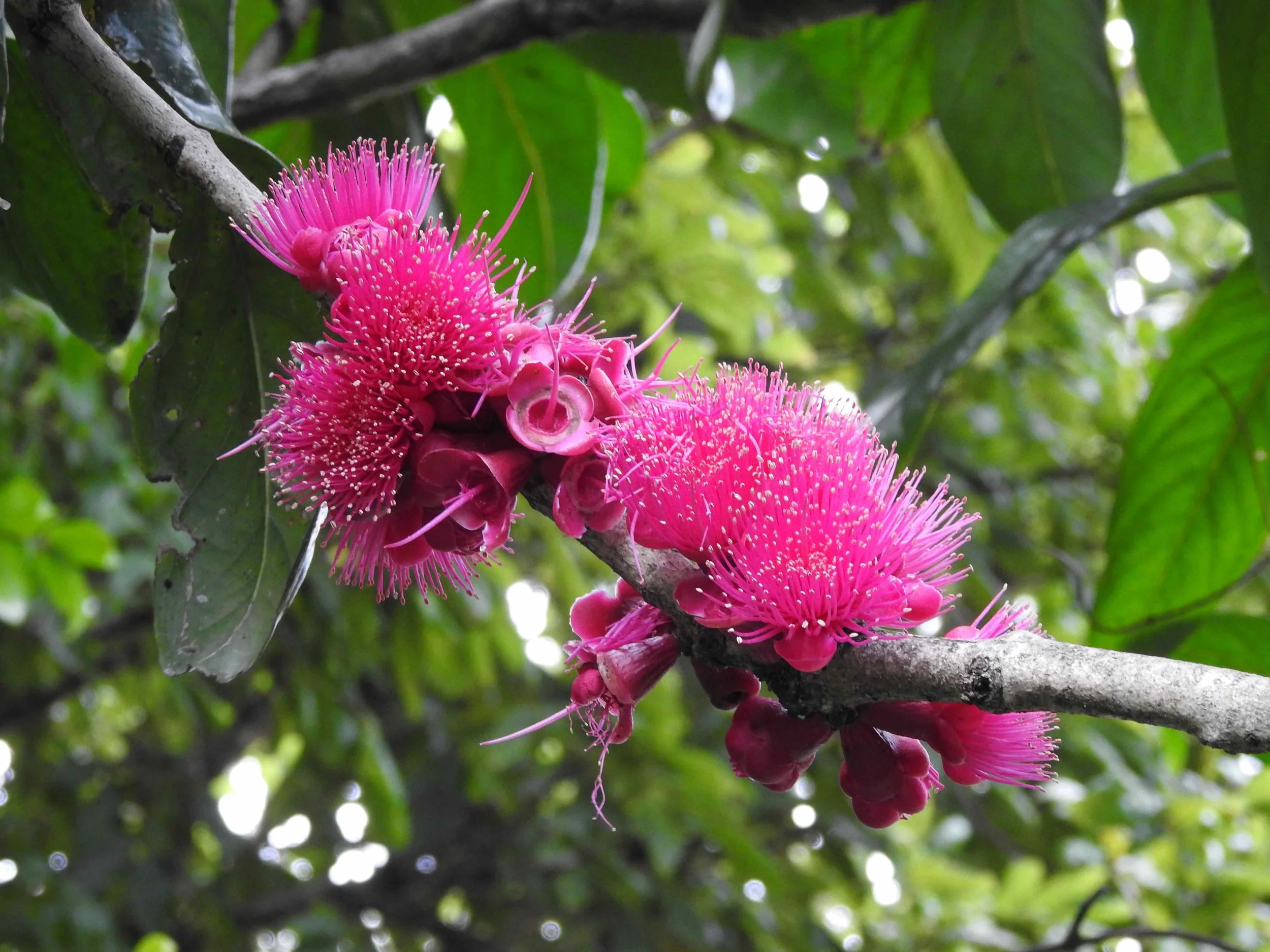
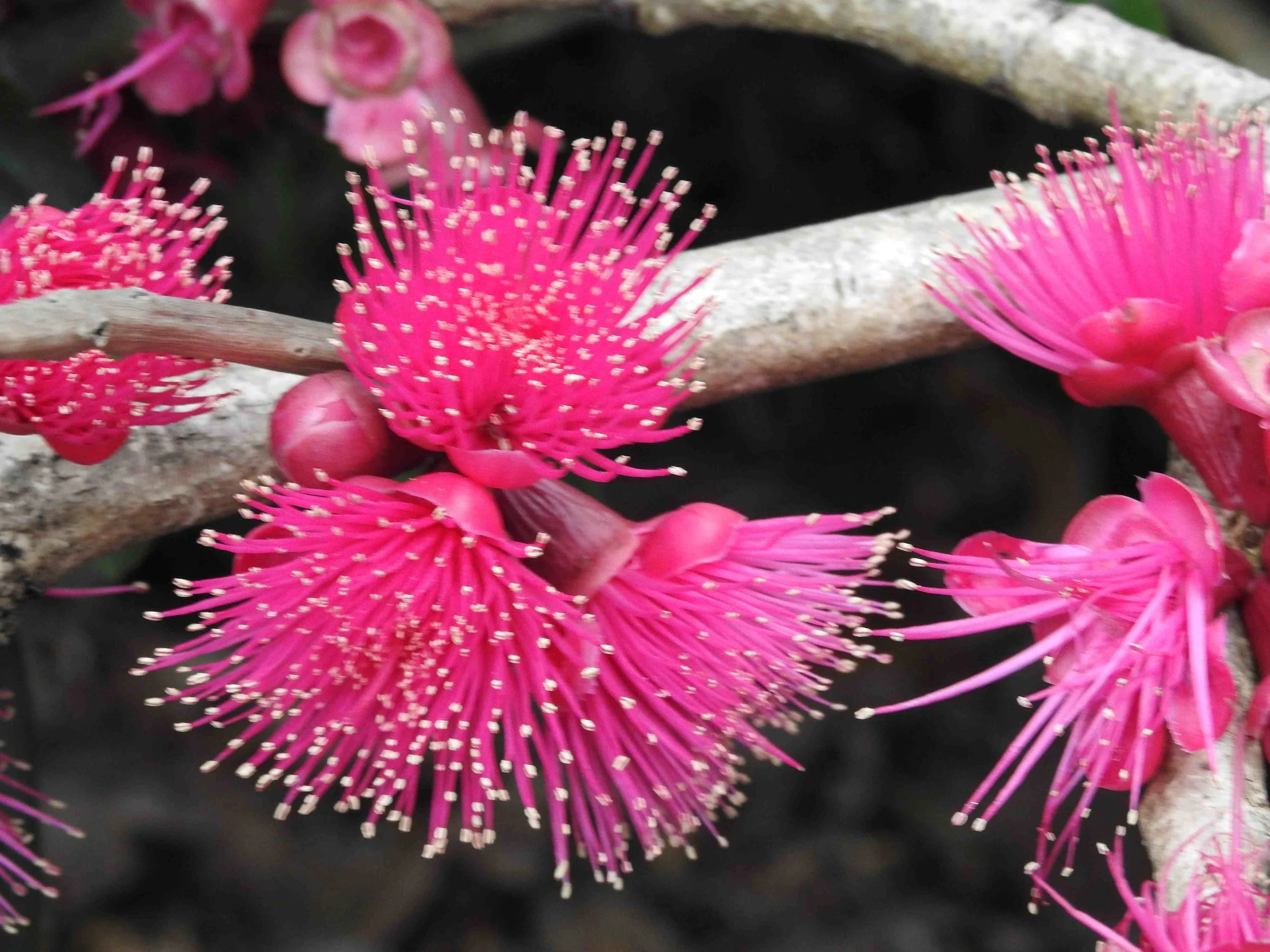
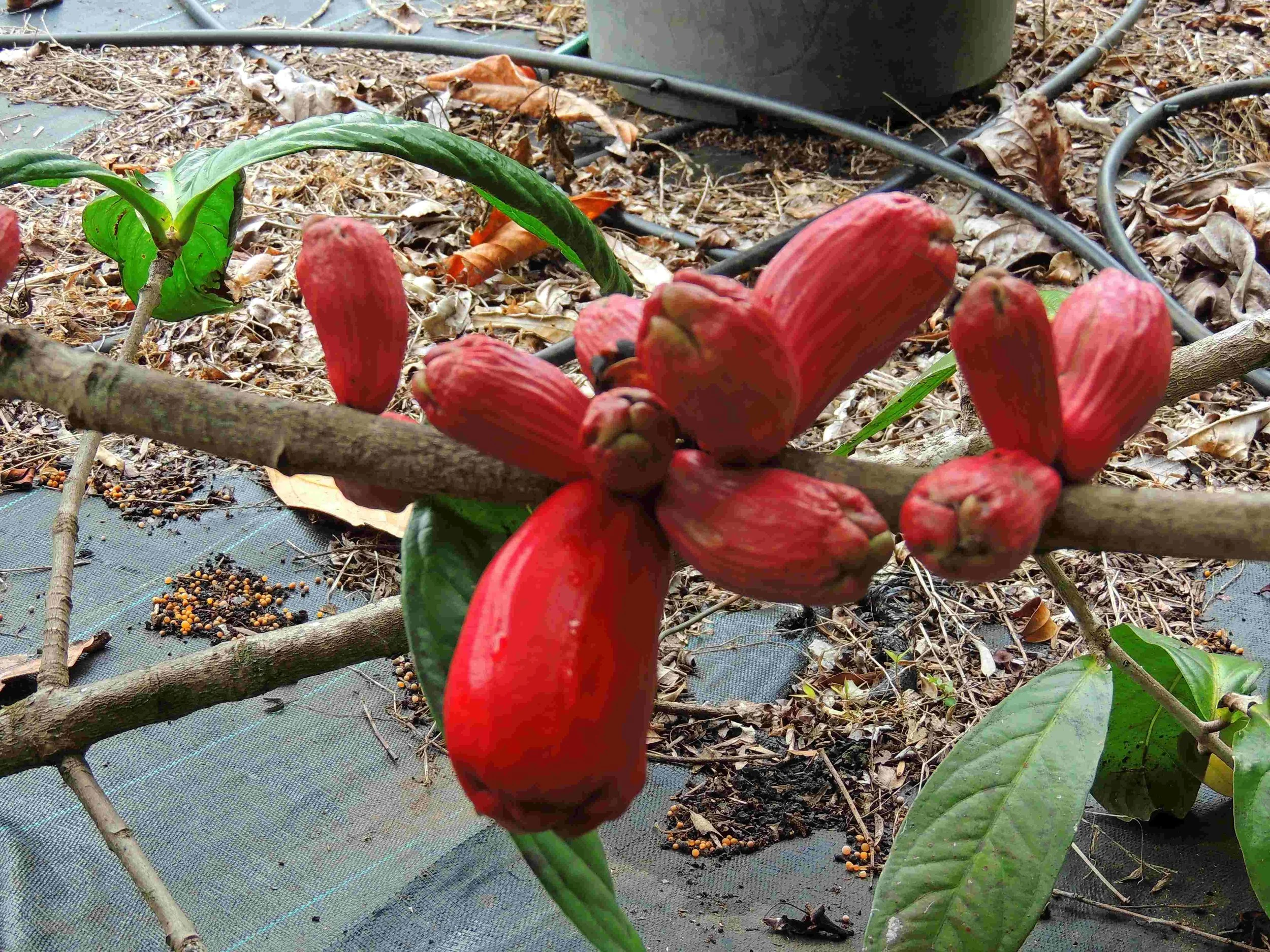
Backhousia myrtifolia, or the Cinnamon Myrtle, is a versatile Australian native evergreen, growing as a shrub to a small tree. It features glossy, dark green leaves that are cinnamon-scented when crushed, along with clusters of cream-white flowers in summer. A hardy plant adaptable to various soils and light conditions, it's excellent for screening, hedging, or as a feature tree, and its leaves can be used as a culinary spice or to make tea.
Appearance: An evergreen shrub or small tree with dense, bushy foliage.
Leaves: Dark green, glossy, and aromatic, releasing a cinnamon-like fragrance when crushed.
Flowers: Small, creamy-white, star-shaped flowers that appear in summer.
Uses:
Culinary: The leaves can be used as a cinnamon substitute in desserts, curries, and drinks.
Horticultural: Ideal for hedges, privacy screens, topiary, or as a shade tree.
Environmental: Used in riverbank revegetation.
Native Habitat: Native to the subtropical rainforests of eastern Australia.
Growing conditions:
Light: Full sun to part shade.
Soil: Prefers well-drained soil but is adaptable to various types.
Hardiness: Becomes drought-hardy once established but needs protection from strong winds and heavy frost when young.
Backhousia myrtifolia, or the Cinnamon Myrtle, is a versatile Australian native evergreen, growing as a shrub to a small tree. It features glossy, dark green leaves that are cinnamon-scented when crushed, along with clusters of cream-white flowers in summer. A hardy plant adaptable to various soils and light conditions, it's excellent for screening, hedging, or as a feature tree, and its leaves can be used as a culinary spice or to make tea.
Appearance: An evergreen shrub or small tree with dense, bushy foliage.
Leaves: Dark green, glossy, and aromatic, releasing a cinnamon-like fragrance when crushed.
Flowers: Small, creamy-white, star-shaped flowers that appear in summer.
Uses:
Culinary: The leaves can be used as a cinnamon substitute in desserts, curries, and drinks.
Horticultural: Ideal for hedges, privacy screens, topiary, or as a shade tree.
Environmental: Used in riverbank revegetation.
Native Habitat: Native to the subtropical rainforests of eastern Australia.
Growing conditions:
Light: Full sun to part shade.
Soil: Prefers well-drained soil but is adaptable to various types.
Hardiness: Becomes drought-hardy once established but needs protection from strong winds and heavy frost when young.